Psychological support group on the topic of psychological separation
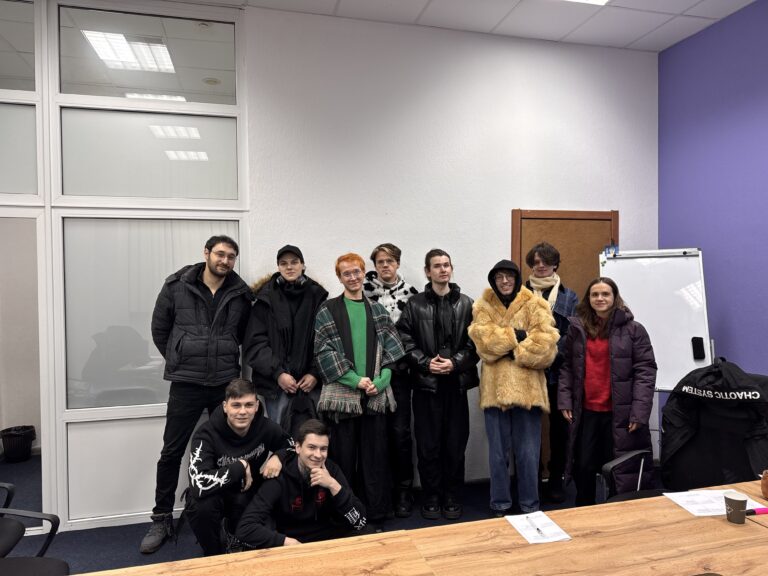
On February 8, a group meeting took place as part of the psychological support program for youth, dedicated to the topic of psychological separation from parents, family expectations, and other people’s life scripts.
Psychological separation is a complex and often lengthy inner process in which a person gradually learns to distinguish their own desires, decisions, and responsibility from the acquired roles, loyalties, and attitudes formed within the family system. In adulthood, this process is often accompanied by internal conflicts, feelings of guilt, anxiety, or fear of losing closeness.
What the group discussed
During the meeting, participants explored how internal dependencies on parents can persist even after physical separation, why family expectations may continue to shape life choices, and how to recognize the moment when loyalty to the family begins to come at the cost of oneself.
Special attention was given to the topic of boundaries—both psychological and emotional. Participants examined how internal prohibitions on autonomy can manifest in everyday life: difficulty taking responsibility for one’s own decisions, fear of making mistakes, or the feeling that any independent step requires justification.
Guilt, fear, and hidden benefits
An important part of the work focused on feelings of guilt and anxiety that often accompany the process of separation. Participants explored where the fear of “being ungrateful,” “betraying the family,” or “losing love” comes from, as well as what hidden benefits may keep a person in a non-separated position—for example, avoiding responsibility or maintaining an illusion of safety.
The group format made it possible to see that these experiences are not unique or “wrong,” but rather common among many people who are on the path of growing up and forming their own identity.
A space for awareness and support
The meeting took place in a safe and supportive environment, where each participant had the opportunity to explore their own experience at a pace that felt comfortable. The group’s work was not aimed at quick solutions, but at deepening awareness—of what exactly prevents one from taking their own place in life and which inner steps might help move in that direction.
Psychological support groups continue to be a space where complex themes of adulthood, autonomy, and relationships with loved ones can be experienced not alone.


