Support Group: Recognizing Red Flags in Friendships
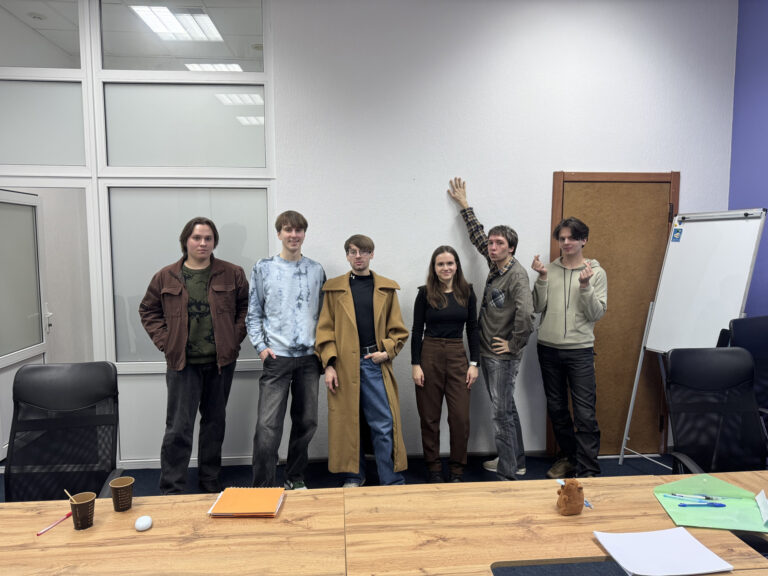
On March 15, 2026, a psychological support group session took place, dedicated to recognizing “red flags” in friendships.
During the meeting, participants, together with a psychologist, explored behavioral signals that may indicate manipulation, hidden competition, boundary violations, or psychological risks in interactions. Particular attention was paid to how consistent, repeated patterns of behavior in relationships can gradually lead to tension, feelings of guilt, and emotional exhaustion.
Participants also discussed why people often fail to notice red flags in friendships, which signals should be taken seriously, and how to distinguish between temporary conflicts and toxic dynamics. A specific focus was placed on understanding the characteristics of healthy relationships and how to build them.
What happened during the session
The meeting included a theoretical component, practical exercises, and group discussions:
- discussion of participants’ expectations and key questions related to relationships;
- a psychoeducational block on types of red flags and behavioral markers of toxicity;
- the exercise “Aftertaste of Communication,” which helped participants better understand their emotional responses after interactions;
- the exercise “Portrait of a Good and a Toxic Friend,” aimed at comparing healthy and harmful behavior patterns;
- the exercise “Do I Have Red Flags?” focused on developing self-reflection and responsibility in relationships;
- a final sharing session where participants reflected on their insights and experiences.
Results
Participants noted that the group helped them to:
- better understand the dynamics of their relationships;
- learn to recognize early signs of toxic behavior;
- distinguish between healthy and harmful interactions;
- increase their level of self-reflection and awareness of their role in relationships;
- feel supported and experience a safe space for open discussion.
Such meetings contribute to increasing psychological awareness, developing healthy communication skills, and building safer and more supportive relationships.
We continue to create a space where everyone can better understand themselves, their interactions with others, and receive support.


