In Kyiv, a psychoeducational training for youth took place, focused on building healthy (respectful) relationships within the youth community.
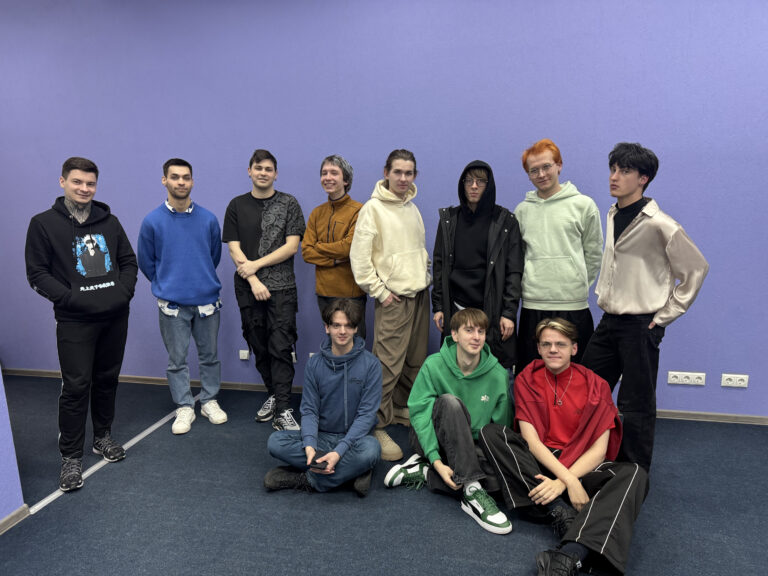
On March 1, a psychoeducational training took place regarding ecological relationships. Among the key topics discussed were intimacy without fusion, love without losing oneself, and autonomy without emotional distancing.
During the meeting, participants discussed why a partner sometimes becomes “everything” in a relationship, where the fear of loss comes from, how dependent patterns are formed, and whether it is possible to remain oneself even when deeply in love.
Throughout the group session, participants explored their own reactions in different situations:
– what happens internally when a partner does not respond for a long time;
– when a partner wants to spend time without us;
– when conflict or emotional distance arises.
The discussion revealed that behind familiar behavioral reactions there are often deeper experiences, such as fear of being abandoned, fear of being “not enough,” fear of losing connection with oneself, or conversely, fear of being engulfed and restricted.
A separate part of the meeting was dedicated to comparing dependent and ecological relationships:
fusion versus autonomy, control versus trust, anxious attachment versus the ability to tolerate closeness.
Participants had the opportunity to identify their typical strategies in intimacy — anxious, avoidant, adaptive, or more ecological. A light format using metaphors helped to address complex topics without judgment, and with curiosity and self-reflection.
Special attention was given to minority stress theory and how experiences of marginalization can intensify anxiety in relationships and the fear of losing a partner.
At the end of the meeting, participants completed the “Want — Should — Can” practice, which helped them distinguish between their genuine desires, social expectations, and real possibilities. This exercise became a way to reclaim personal agency and identify small steps toward greater autonomy.
The meeting became a safe space for an honest conversation about love, fear, boundaries, and the right to remain oneself within intimacy.


